20/10/2026 17:31
Which Market Is the Stall In? Telegram Story Location Tags for Cambodian Plant Sellers
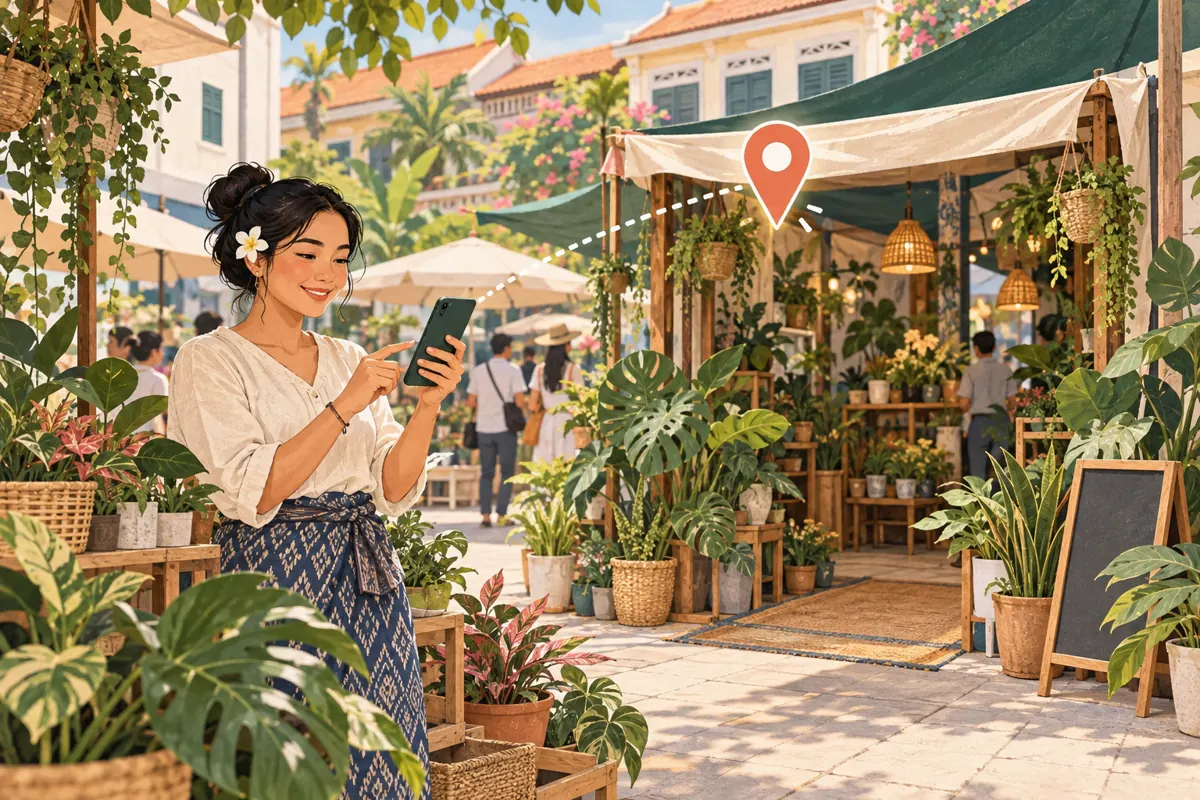
A beautiful plant photo can attract attention while leaving the most useful question unanswered: where can someone actually find the stall? For a Cambodian seller moving between weekend markets, a familiar shop address may be the wrong destination. A Telegram story needs to connect the plants, the temporary venue and the selling window. This guide explains how to prepare that connection, test it from a visitor’s perspective and remove outdated invitations. It also shows why an SMM panel’s story-view service cannot establish that nearby customers saw the offer or intend to visit. The plant-stall scenarios below are hypothetical examples, not customer results.
1. Decide what the story should help someone do
Start with one practical outcome: help an interested person reach the correct plant stall during confirmed selling hours. That is more specific than increasing visibility. It tells you which information belongs in the story and which information can wait for a conversation. A visitor needs the venue, event date, opening window, recognizable stall and a way to ask about availability.
In a hypothetical example, a Phnom Penh nursery normally sells from a home workshop but joins a courtyard market on Sunday. Reusing its usual location would send visitors away from the event. The story should identify the temporary market and explain that the pictured plants will be there during that session. Before preparing promotion, confirm the stall allocation with the organizer. A booking request or an expected invitation is not enough to announce attendance.
2. Understand what a location tag actually contributes
Telegram’s official announcement, Mini App Bar, Paid Media, Story Search & More, explains that stories can carry location tags. Tapping a tag lets people browse public stories associated with that place. The announcement also states that private stories do not appear in search results. This makes the tag useful context for a public event invitation, but it does not promise distribution to everyone nearby.
Treat the location as a place reference, not a targeting setting. It does not establish that viewers live in Phnom Penh, want plants or can attend on the advertised date. Nor does a shared venue tag distinguish your table from every other seller inside the market. Your own photograph and directions must complete that explanation. Choose a place because it accurately represents the event, never simply because the name seems popular.
3. Verify the venue and the final approach separately
Obtain the venue’s confirmed name and address from the organizer, then compare them with the place you select in the story editor. Similar names, alternate spellings and nearby branches deserve a second look. If the available location cannot be matched confidently, leave it out until you can verify it. A clear written venue reference is more useful than a confident-looking tag pointing elsewhere.
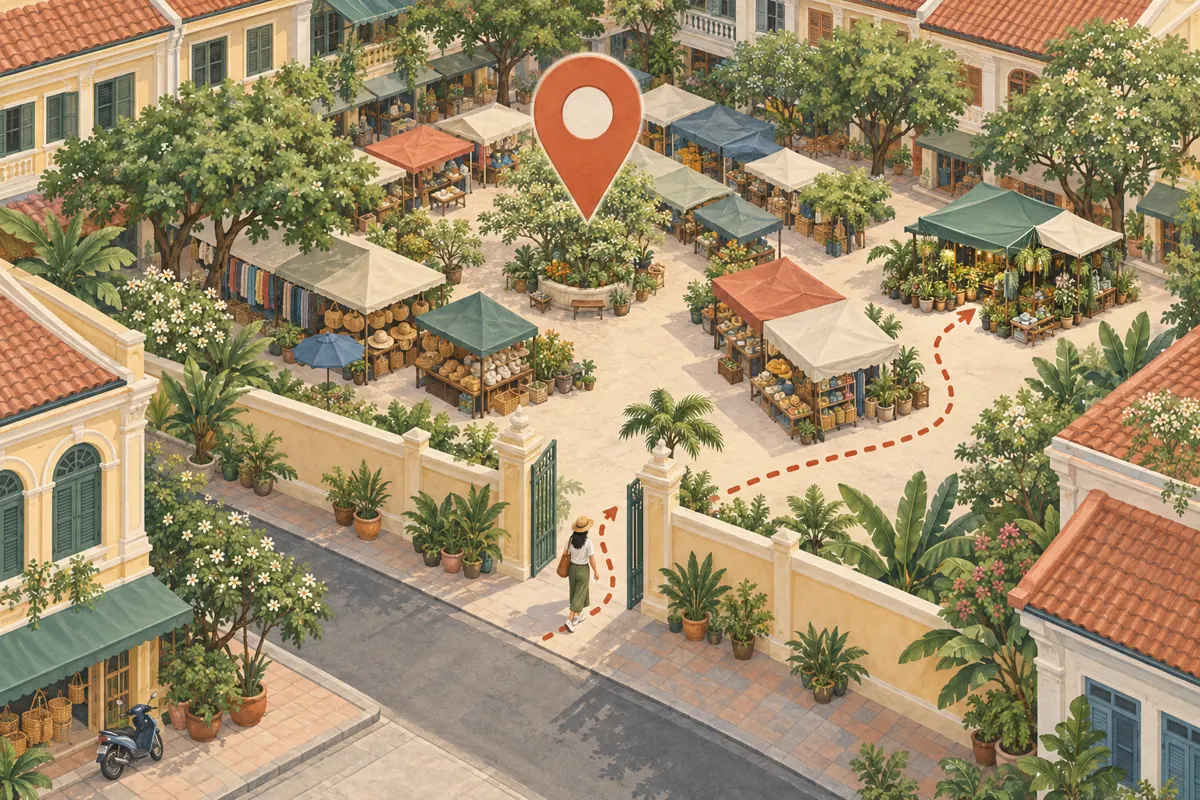
Next, inspect the last part of the journey. Does the visitor enter through the courtyard gate, a side passage or the main building? Photograph the public entrance from the direction someone would approach. Add one stable landmark and a short description of the stall. In the hypothetical nursery example, 'inside the courtyard, green awning beside the plant tables' is more useful than 'near us.' Avoid relying on a parked vehicle or another movable object as the only landmark.
4. Build a story that connects the product with the place
Use a current photograph that shows the actual stall or the plants being brought to that event. A close-up leaf can introduce the range, but it cannot explain arrival. Pair product detail with a wider entrance or stall view. Keep the important visual features unobstructed: the gate, awning and table arrangement should remain recognizable after any location sticker or short overlay is added.
Prepare the essential wording before opening the editor. Include the full event date, selling hours in Cambodia time, venue and one arrival cue. Use the language your customers understand; where helpful, retain the organizer’s recognizable venue spelling alongside Khmer directions. Avoid making an English venue name the entire instruction. If space becomes tight, prioritize the date and destination over decorative slogans. Put longer plant-care advice into a separate piece of content rather than crowding the invitation.
5. Check audience settings and publication duration
Telegram’s official Stories guide documents location tags in the media editor, audience controls and story editing. For an account story intended as a public market invitation, inspect the audience selection before posting. A restricted audience may be appropriate for a private collection appointment, but it will not serve the same purpose as an open invitation. Check what your actual posting account offers rather than assuming every account has identical options.
Make the event’s end time explicit even when the story has an expiration timer. Telegram also allows stories to remain on a profile, so active-story expiration and removal from public display are separate checks. Assign someone to review the invitation when the stall closes. If the event finishes earlier than expected, update the message promptly. A timer chosen the previous evening cannot account for an unexpected closure or a change agreed with the organizer.
6. Run an arrival test before wider promotion
Ask a coworker who did not build the story to review it using an account that should be able to see it. Give them a concrete task: identify where to go, when to arrive and how to recognize the seller. Have them inspect the location tag and compare it with the organizer’s confirmed venue. This checks the customer journey more effectively than asking whether the picture looks attractive.
Record the first point of hesitation. If they recognize the market but cannot find the entrance, improve the entrance image. If they understand the route but mistake the event for a permanent shop, strengthen the date and temporary-stall wording. If the story cannot be seen by the intended audience, revisit visibility before spending on promotion. Finish by checking that the person handling enquiries can answer while the stall team is busy unloading and serving visitors.
7. Evaluate an SMM story service against the actual need
The supplied catalogue includes the exact public service name 'Telegram - Story Views ~ Wrold wide - Max 1M ~ 500k Day ~ INSTANT'. Its title identifies a story-view offering, but the brief supplies no supporting description. Treat its volume and timing language as catalogue claims requiring clarification, not independently verified performance. Nothing in the supplied information establishes Cambodian viewers, plant buyers or attendance at a particular market.
Before considering an order, ask what story reference is required, which destinations are supported and what happens if the story expires or must be removed. Do not assume cancellation, refunds or continued delivery are available. Purchased engagement is not evidence of genuine interest, sales, ad delivery or Cambodian users. If the business needs local visitors, a view total cannot answer that need. Keep any service record separate from customer enquiries, and do not present purchased views as proof that the market or nursery is popular.
8. Choose the next action from the problem you observe
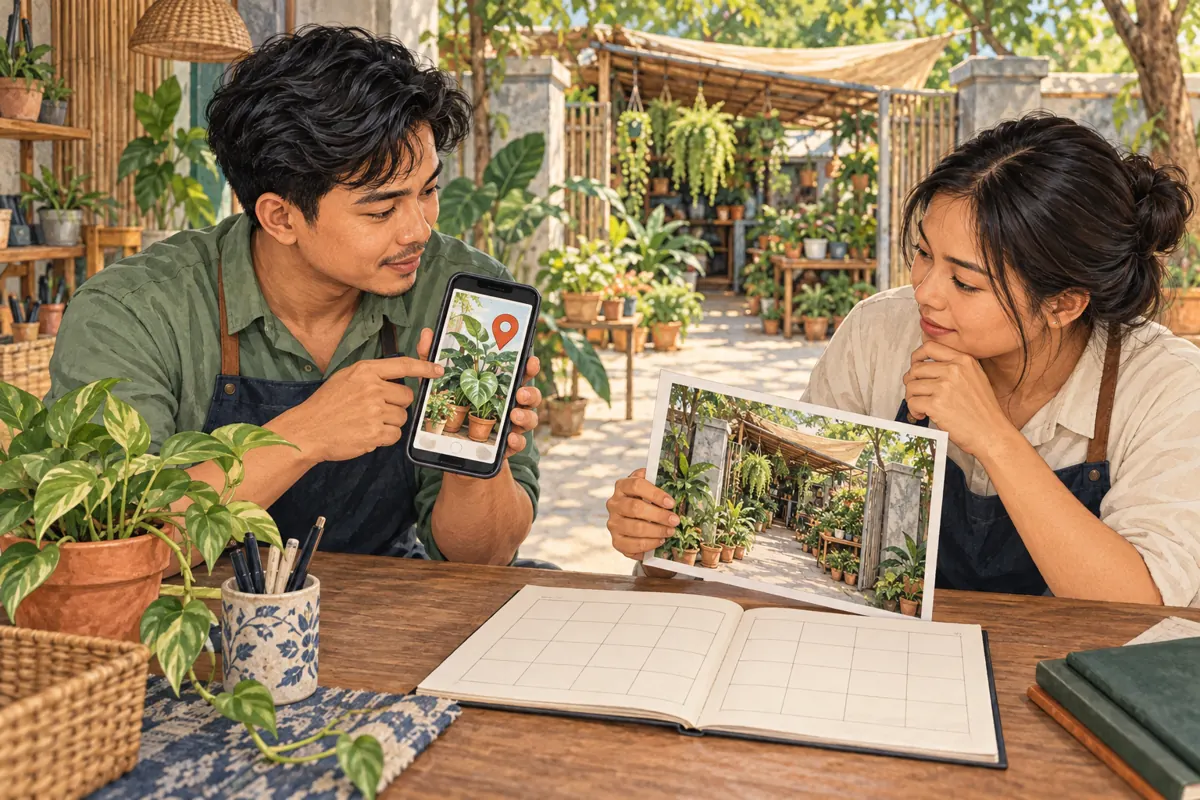
Use a simple decision sequence. If event details remain unconfirmed, wait to issue the invitation. If people cannot identify the destination, correct the story. If they find the venue but cannot locate the stall, improve the final approach instructions. If they ask whether a pictured plant is available, answer the stock question directly. None of these problems is resolved merely by increasing a displayed count.
For a hypothetical nursery with a clear story but little response, the next useful step might be asking the organizer whether it can include the stall in its event information. That is a proposed collaboration, not an assumed placement. Another option is sharing the confirmed invitation with existing customers who have asked about market appearances. Choose distribution that fits the audience and permission context. Avoid repeatedly sending unsolicited invitations just because the event date is approaching.
9. Avoid the mistakes that send visitors to the wrong place
Common errors include selecting a similarly named venue, showing last month’s stall arrangement, writing only 'today' and assuming the location tag explains the entrance. Another is making the plants look available without checking which items are actually being brought. Photograph the current setup when possible. If using a preparation photo, explain that context and avoid implying the image shows a completed stall.
Public location information should describe the customer-facing venue. Check the background for delivery labels, customer details or private workshop information before sharing. During the event, keep an eye on practical changes: a moved table, closed gate or altered selling window can invalidate otherwise accurate content. Correct the affected invitation and tell anyone already discussing a visit. Do not leave a misleading story active simply to preserve a promotion plan or an order reference.
10. Close the invitation and learn from real questions
When the event ends, review active stories and any copies retained on the profile. Remove the visit invitation or revise it clearly as a past-event recap. A recap can show the stall and explain how to ask about future appearances, but it should not imply that the same location remains open. Keep an internal note of the confirmed venue, correction history and useful entrance photograph for future preparation.
Review outcomes in separate categories: story activity, genuine enquiries, reported visits and completed purchases. Ask visitors how they found the stall only when it fits the conversation, and leave the source unknown when they cannot say. An enquiry is not an arrival, and an arrival is not a sale. The most useful lesson may be that several people misunderstood the gate instructions. Fixing that recurring problem gives the next invitation a clear improvement without inventing a return on promotional spending.
Frequently asked questions
Will adding a Phnom Penh location tag make Telegram show the story to nearby buyers?
Do not assume that. Telegram documents browsing public stories associated with a location, not guaranteed delivery to nearby buyers. The tag supplies place context. Customer location, purchasing interest and attendance remain separate questions that a tag or view count cannot establish.
What should I do if the exact market location is missing?
Confirm the organizer’s preferred venue reference and check it carefully. If you cannot identify an accurate selectable location, omit the tag and give clear written directions with a recognizable entrance photo. Do not substitute a famous nearby venue unless the wording makes the actual destination unambiguous.
Should I tag the nursery workshop or the weekend market?
Use the place where the advertised visit should happen. For a temporary market invitation, that means the confirmed event venue. Explain separately if workshop collection is also available by arrangement. Combining two destinations without saying which applies can send customers to an unattended location.
Can story views tell me how many people came because of Telegram?
No. Views and visits measure different actions, and purchased engagement adds no evidence of attendance. Keep voluntary customer answers and actual transaction records separate from story activity. If someone saw several promotions or cannot recall the source, record that uncertainty rather than assigning the visit to Telegram.
What if the stall moves while a story service order exists?
Correct the customer-facing information first and record what changed. Contact the service provider using the order reference to clarify any effect on delivery. Do not assume an order can be transferred, paused or refunded. An existing service request is not a reason to keep publishing the wrong destination.
Explore the current service catalogue, create an account, or ask a specific question through support tickets.
Prepared with AI assistance. Illustrations explain the workflow and do not represent customer results.