21/10/2026 07:33
Loaned Sample or Shop Stock? YouTube Promotion Disclosures for Cambodian Tripod Shops
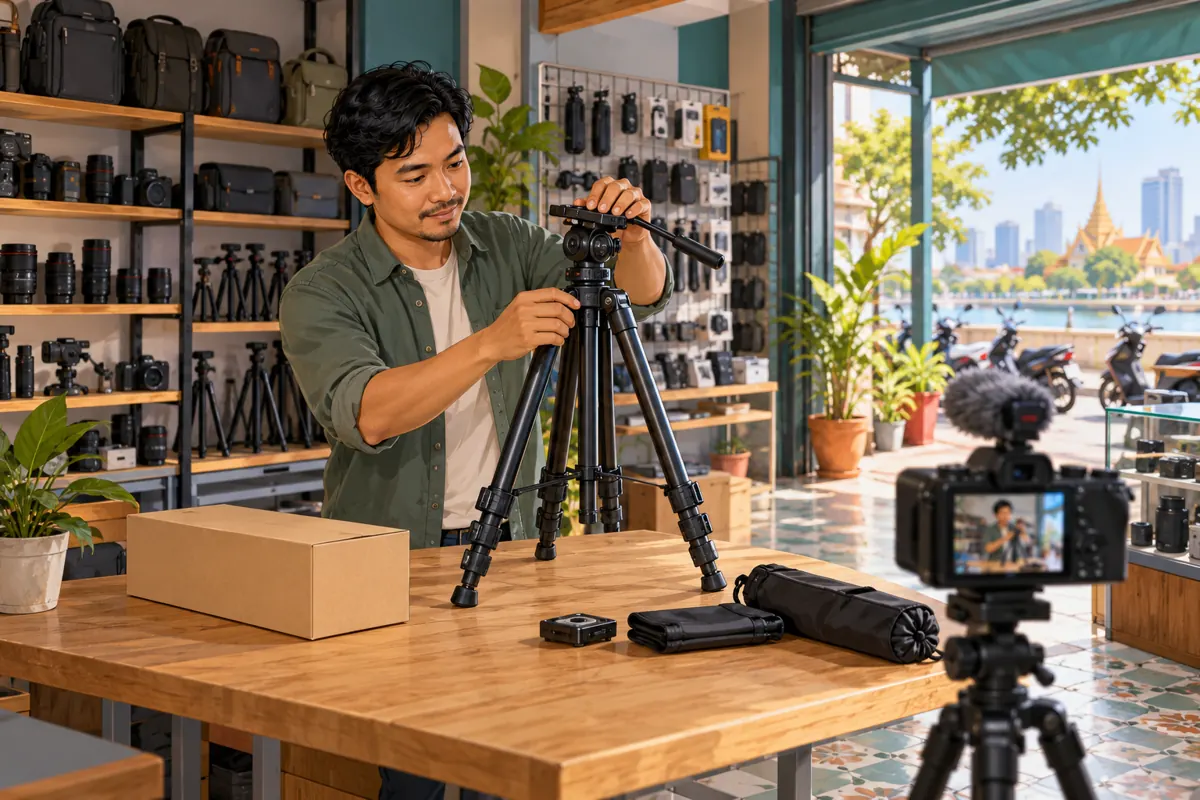
A tripod demonstration can answer a useful buying question while also involving a supplier relationship. Perhaps a distributor supplied the equipment, paid for filming, or offered a benefit in exchange for being featured. Before a Cambodian camera-accessory shop shares that video widely, it should establish what viewers need to know about the arrangement. This workflow connects the equipment handoff, the spoken explanation, YouTube’s disclosure setting, and the later promotion decision. It is especially useful when the owner, presenter, and person reviewing SMM-panel services are different people. All business scenarios and sample wording below are hypothetical.
1. Start with the arrangement behind the demonstration
In a hypothetical Phnom Penh shop, a distributor lends a tripod for a demonstration about changing the camera plate. The presenter knows the product must be returned but does not know whether the owner also accepted a filming payment. Meanwhile, the employee preparing the description assumes it is ordinary shop stock. Each person holds a different piece of information. Resolve that gap before anyone describes the video as independent or unpaid.
Create a short relationship note containing the equipment owner, what the shop received, what it promised in return, and whether the supplier can influence the content. Include benefits expected later, not just money already received. YouTube’s branded-content policy covers brand-influenced content exchanged for something of value, including payment, free products, and sponsorship. Use that policy as the starting point for assessment; a parcel marked as a sample does not explain the whole agreement.
2. Distinguish purchased stock, gifts, and temporary loans
Use three practical questions: Did the shop buy the item through its ordinary purchasing process? Was it given specifically for coverage? Was it lent under conditions connected to a video? These questions gather facts rather than automatically classify every arrangement. A temporary loan may still provide something valuable, while equipment already on a shelf may be connected to a separate supplier campaign. Keep the purchase or loan record alongside the filming brief.
For a hypothetical free sample, record whether the shop may keep it and whether publication is expected. For a hypothetical loan, record the return condition and any required mentions. Ask the supplier to clarify missing terms in writing before filming. If the relationship remains unclear, hold the promotional release while the owner checks it against the current policy. Do not let the editor guess from the box, the presenter's memory, or the absence of a cash invoice.
3. Agree on the demonstration before accepting talking points
Define one customer question the video will answer, such as whether the included quick-release plate can be removed without folding the tripod. List the actions that must be visible and the equipment used. This gives the presenter a practical task and gives the supplier a clear boundary for factual corrections. A request to correct a model name differs from a request to remove every limitation or call the product the best choice.
In the hypothetical brief, the shop demonstrates opening the clamp, removing the plate, and securing it again with the camera shown. It does not claim compatibility with every camera or stability under conditions it has not tested. Keep manufacturer specifications separate from observations made during filming. If the supplier requests a broader claim, ask for its supporting documentation and assess whether the claim belongs in this particular demonstration. A disclosed relationship does not make an unsupported product statement reliable.
4. Explain the benefit in language viewers understand
Write the relationship explanation before recording the introduction. A hypothetical sentence might be: “The distributor lent us this tripod for this demonstration, and we will return it afterward.” If a payment also exists, that sentence is incomplete; explain that benefit too. Avoid vague expressions such as “special collaboration” when a direct description would tell viewers more. Mention the relationship early enough to inform how they interpret the product recommendation.
For a Khmer-speaking audience, prepare the spoken explanation in natural Khmer and have another fluent colleague review its meaning. Preserve genuine brand and model names where needed. If the video also uses English subtitles, check that they describe the same arrangement rather than replacing “provided free” with “available from.” Review the opening on a phone with sound on, then muted. This is an editorial clarity check, not a claim that a particular sentence satisfies every applicable disclosure obligation.
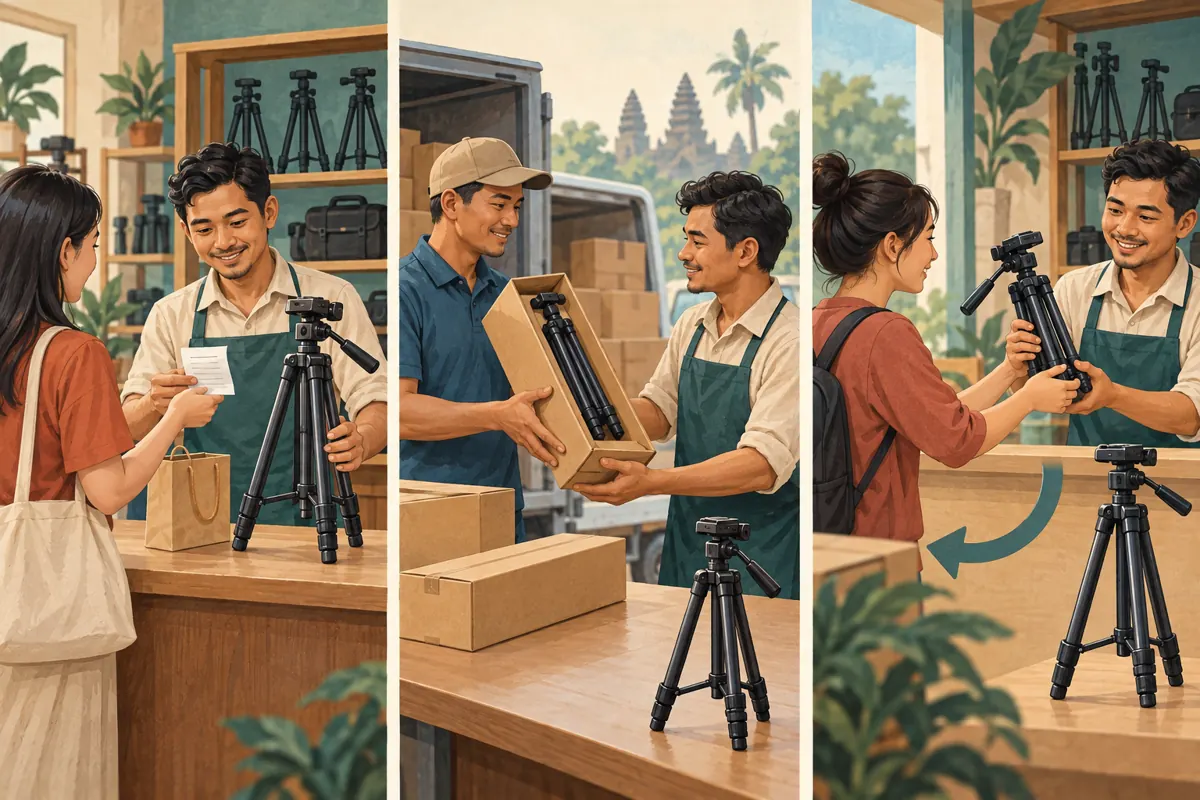
5. Complete YouTube’s declaration and verify the saved video
YouTube instructs creators to declare branded content using the paid-promotion control in video details; selecting it adds a disclosure at the beginning. On a computer, open YouTube Studio, choose Content, select the relevant video, and expand Show more where necessary. Find the paid-promotion or branded-content declaration, select the applicable option, and save. Current official help pages use both terms, so identify the control by its purpose rather than relying on one remembered label.
Assign this task to someone who already has appropriate channel access. Give that person the approved relationship note and exact video reference, then ask them to confirm the saved selection. Review the viewer-facing video as well as the settings. Keep the review date and responsible person in the production record. The platform label and the shop’s own explanation should tell a consistent story; neither should describe a different supplier arrangement from the one actually agreed.
6. Keep the commercial context when making shorter versions
A useful product close-up may later become a short promotional excerpt. Review that new edit independently: a cut beginning at the plate-release action may omit the original relationship explanation entirely. Give each derivative asset its own disclosure review before sharing. Do not assume viewers will visit the full demonstration, expand a description, or already know that the supplier helped produce the material.
Maintain a small asset list with the full demonstration, each excerpt, and its approved wording. For a hypothetical clip about the locking lever, retain enough context to identify the model and explain the supplier benefit without burying the action. If an editor changes the narration or crops an explanatory overlay, return that asset for review. Keep relationship wording factual across Khmer speech, English subtitles, and accompanying captions. The format can change while the underlying facts remain consistent.
7. Separate disclosure, advertising, and SMM-panel services
Three different questions can become confused under the word promotion. Disclosure concerns the commercial relationship behind the video. Advertising concerns a separately arranged campaign. An SMM-panel listing concerns whatever service its documented terms actually describe. Selecting YouTube’s declaration is not evidence that advertising was purchased, and paying an outside provider does not establish official platform affiliation. Decide which problem the shop is trying to solve before reviewing any service.
The supplied catalogue includes “YouTube Like ~ Max 200k ~ 100k/days ~ Instant ~ 𝐍𝐎 𝗥𝗘𝗙𝗜𝗟𝗟”. Its title identifies a likes-oriented listing, but its description is empty. Treat the speed, quantity, and other title wording as catalogue claims, not verified outcomes. YouTube prohibits artificial metric inflation, and actions by a hired promoter can affect the channel. Do not order a service that violates that policy. Purchased engagement cannot establish genuine interest, sales, ad delivery, or Cambodian viewers.
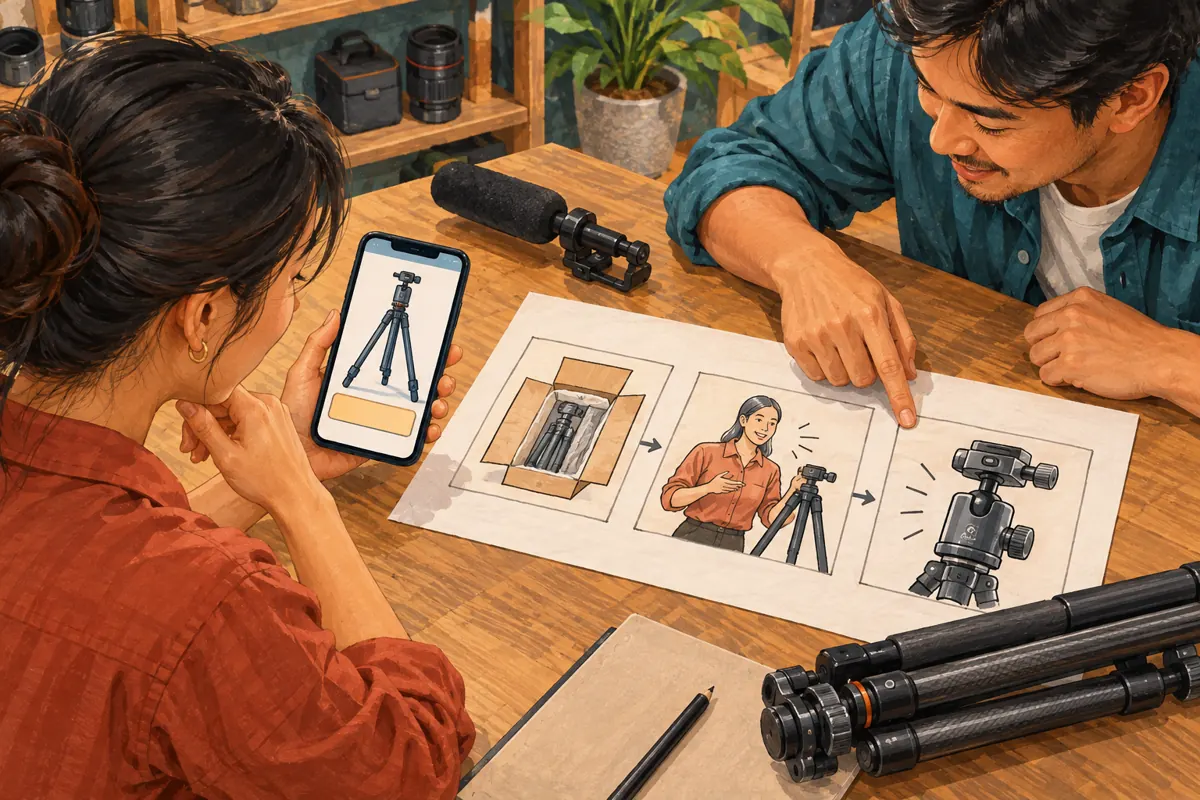
8. Make a release decision from evidence, not urgency
Use a simple decision sequence. First, confirm the supplier arrangement. Next, check that the explanation and saved platform declaration match it. Then inspect the demonstration for unsupported claims and missing product context. Finally, assess the proposed distribution method on its own terms. If any answer is unresolved, identify the missing fact and who must supply it. Avoid treating a supplier’s requested launch date as evidence that those questions have already been answered.
In a hypothetical Battambang shop, the video is ready but the distributor has not confirmed whether the sample can be kept. The sensible next action is to resolve the arrangement and revise the wording if needed. Buying visibility would not resolve that ambiguity. Once the checks are complete, record the approved version and share it through appropriate channels. Permission to use a supplier’s footage, accuracy of the product explanation, and disclosure of the relationship are separate checks.
9. Measure whether the video helps customers choose
Before distribution, decide what a useful enquiry would contain. For a tripod shop, that could be a camera model, a question about the included plate, or a request to see the folded dimensions. Prepare staff to answer those questions consistently. A viewer asking whether a replacement plate fits has supplied actionable information; a visible engagement count does not tell the shop what equipment that person owns or whether they intend to buy.
Keep a modest enquiry log containing the question, product discussed, response, and next step. Record how the customer says they found the demonstration when they voluntarily provide that information. Leave attribution unknown when it is unknown. Review recurring misunderstandings and improve the next video accordingly. If several conversations reveal confusion about whether a carrying bag is included, show the actual package contents more clearly. Do not turn unrelated enquiries into claimed results for a supplier campaign or panel order.
10. Catch the mistakes that survive a polished edit
A professional-looking video can still contain a misleading introduction. Check for statements such as “we bought this ourselves” when only some accessories were purchased, or “no payment” when equipment was supplied in exchange for coverage. Another mistake is treating the supplier’s approval as the shop’s final review. The supplier may check branding while missing a confusing Khmer phrase, an unsupported compatibility claim, or a disclosure removed during editing.
Appoint one final reviewer to compare the agreement, finished video, description, and saved settings. Give that reviewer permission to return unclear material for correction. If the arrangement changes before release, reopen the review instead of reusing an earlier approval. After release, handle discovered errors directly and keep a record of the correction. Preserve the historical facts: returning a loaned tripod later does not mean the original demonstration was filmed without supplier involvement.
Frequently asked questions
Does a free tripod sample count if the supplier paid no cash?
Cash is not the only relevant benefit. YouTube’s branded-content definition includes free products when content is influenced by a brand partner in exchange for value. Establish why the sample was supplied and what coverage was expected. Avoid deciding solely from whether the shop received an invoice or payment.
What if the shop bought the tripod but the supplier paid for filming?
Record both facts. Buying the equipment does not erase a separate commercial arrangement connected to the video. A hypothetical explanation should describe the filming support accurately rather than presenting the purchase receipt as proof of complete independence. Assess the full relationship before selecting the declaration and approving the introduction.
Is YouTube’s disclosure label enough by itself?
YouTube says creators remain responsible for clear, prominent disclosure and applicable requirements. Use the label alongside an understandable explanation of the actual relationship. Do not treat selecting a checkbox as confirmation that every obligation has been met, especially when the agreement involves several benefits or partners.
Can we buy likes after correctly declaring the supplier relationship?
Disclosure does not make artificial engagement permissible. YouTube’s fake-engagement rules apply separately. Review the service method against those rules and decline anything that artificially inflates metrics. Even a completed service order would not prove that Cambodian customers watched the demonstration, understood the product, or intended to purchase.
Should the disclosure disappear when the borrowed tripod is returned?
As an editorial practice, retain the explanation of how the original video was produced. You can add an accurate update about the return if useful, but do not rewrite the history of the arrangement. For a newly filmed video, assess its own circumstances and avoid copying an old disclosure without checking it.
Explore the current service catalogue, create an account, or ask a specific question through support tickets.
- YouTube Help: YouTube Branded Content Policies
- YouTube Help: Add branded content restrictions & disclosure labels
- YouTube Help: Fake engagement policy
Prepared with AI assistance. Illustrations explain the workflow and do not represent customer results.